The Autofarmation Guide
One big, comprehensive guide — seven parts, fifty-some chapters, four appendices, and one rule. Every chapter runs the same honest shape: the old way with its real numbers, the build with its parts list and wiring, and what it won’t do — because a guide that never says “no” is selling you something.
Read a full chapter free → The Freezer That Cries for Help — a $12 build against a freezer full of beef.
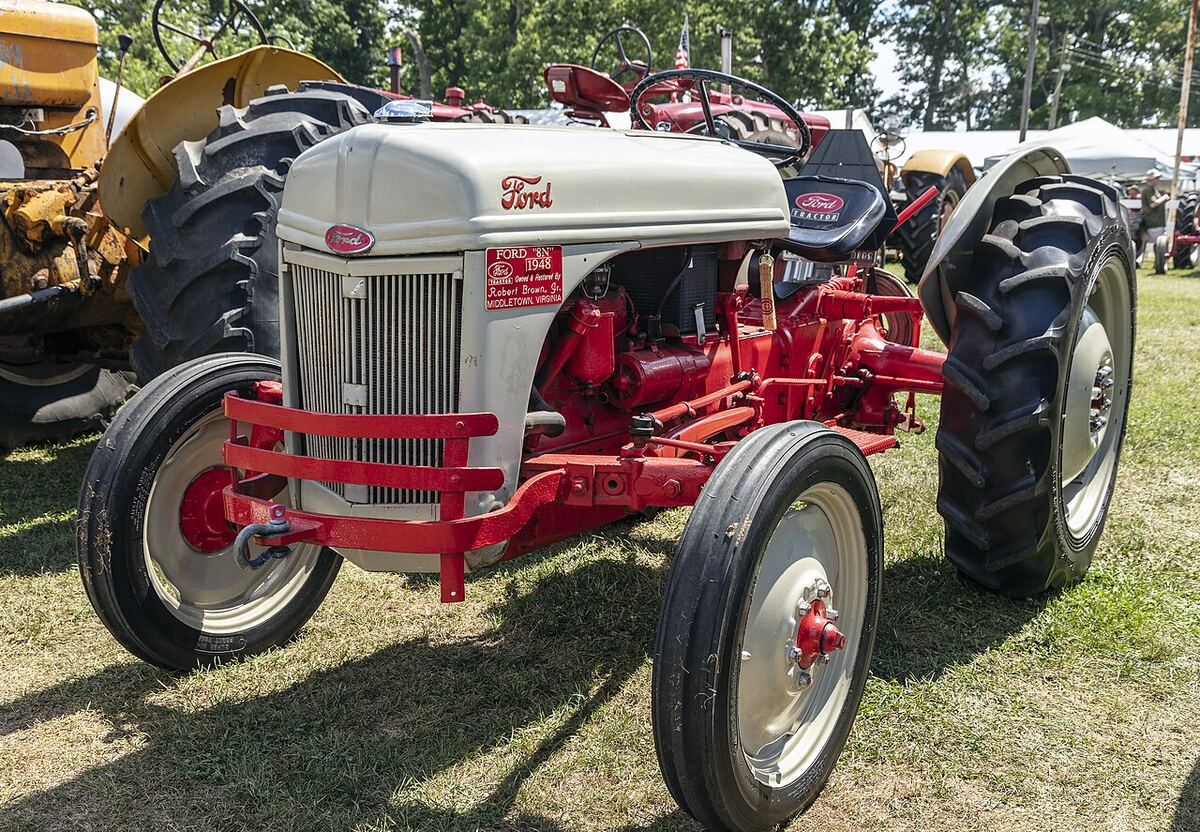
- The tractor you already have — what's steerable, from a 1952 Ford to a new compact
- The straight furrow — what guidance is worth on five acres
- The $1,200 autosteer — the full build, every part priced, every wire shown
- Centimeter truth for free — RTK from your state, or a base station you own
- Where the tractor went — coverage maps as the new farm journal
- The iron's own ledger — hour meter to oil-change alert
- What this will not do — the safety chapter; you stay in the seat
- Finding water honestly — well logs, geology, and what the dowsers got graded
- The spring, developed — and a sensor that knows its yield by month
- Moving water without power — the ram pump, built for about $150
- Moving water with sunshine — solar pumps sized honestly
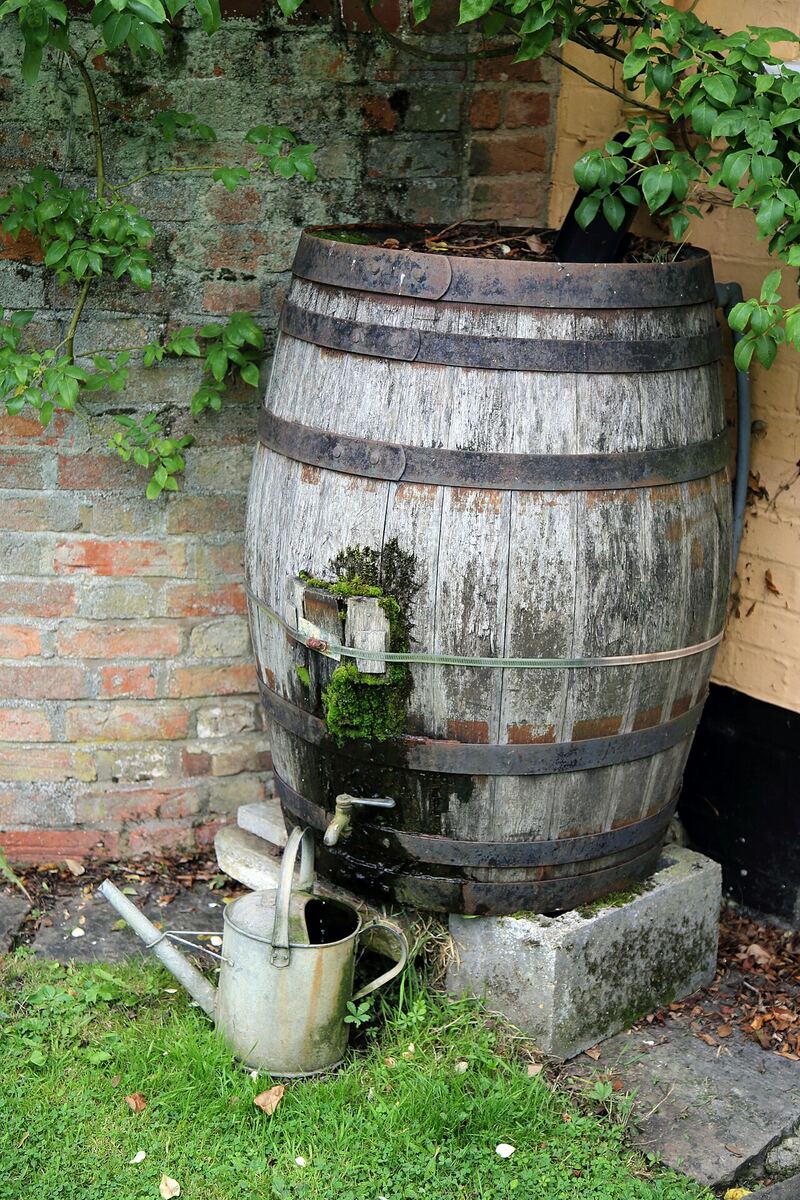
- Rain, roofs, and the first flush — automated
- The tank that reports — levels, freeze alarms, leak math
- The well, watched — a dying pump announces itself
- Keeping it sweet and safe — what a charcoal filter does not remove
- The February pencil, computed — the free calculator on this site, in full
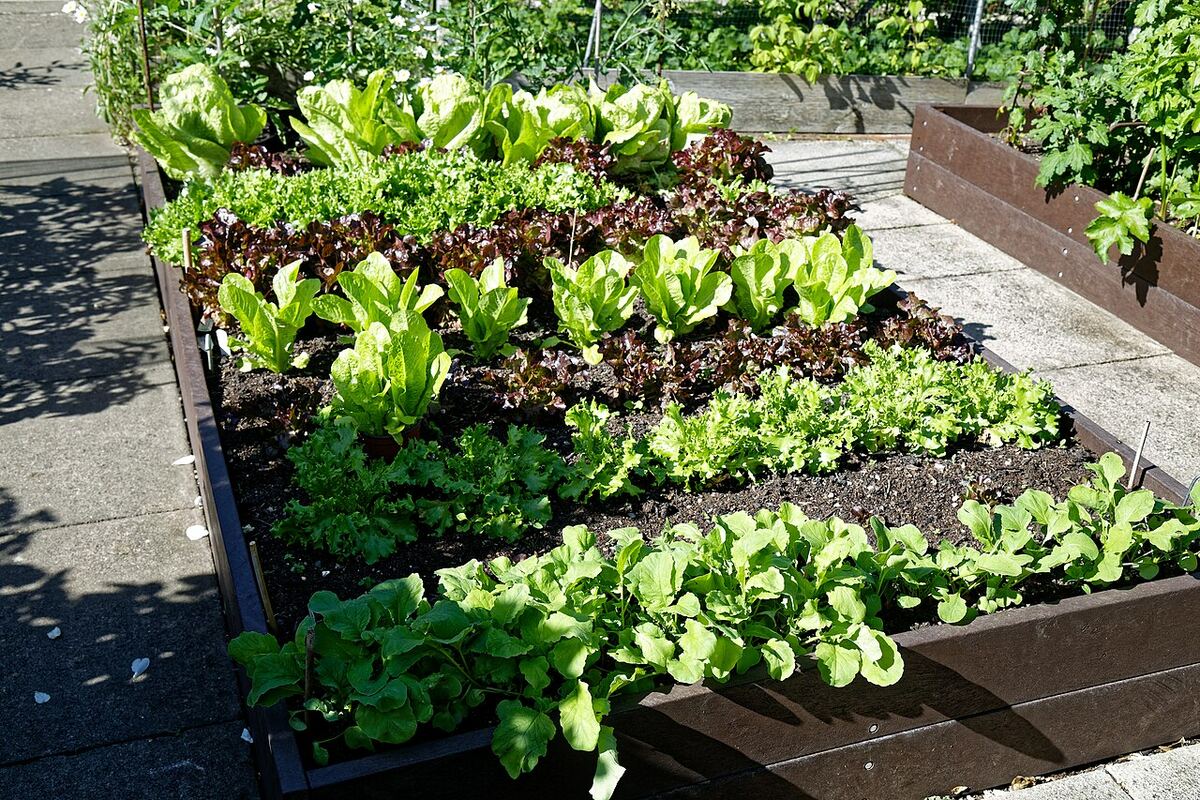
- Soil that reports — plant when the probe says 45° four inches down; sprinklers that defer to the rain
- Water that minds itself — the $150 irrigation brain
- The frost alarm — wakes you at 34°, not at sunrise
- The greenhouse that tends itself — including the vent opener that needs no electricity at all
- The compost pile, thermometered — 131° and the pathogen kill
- The orchard's calendar — degree-day pest timing from your own weather
- The trees that earn their keep — moringa and the other one-plant pantries, graded honestly for your zone (and your windowsill)
- Seed saving, tracked — isolation distances and a generation ledger
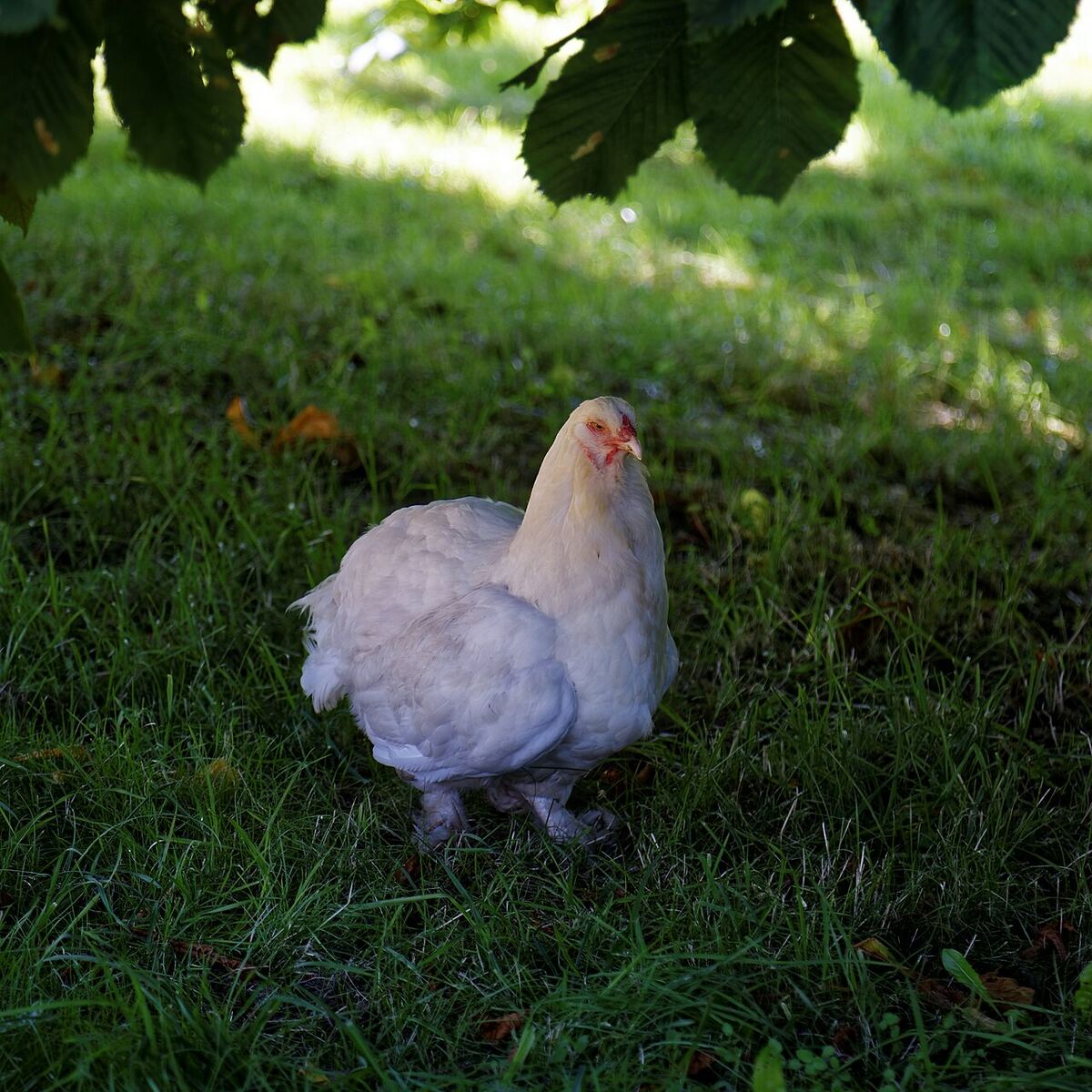
- The flock that runs itself — a coop door that opens on the sun, water that never freezes
- The brooder, held steady — chick temperatures by the week, not by guess
- The incubator — temperature, humidity, turning: hatching is pure automation
- Eggs by the numbers — what supplemental light buys, and what it costs the hen
- The home dairy, honest math — the twice-a-day sentence, and how the wires shorten it
- The milking machine and the cold chain — a small vacuum milker, milk chilled fast, butter
- Fence, tank, and pasture — voltage monitors, stock-tank sensors, rotation reminders
- The rest of the small stock — rabbits and bees, graded honestly
- The breathing cellar — 34° and 92% humidity, held by a fan and a $15 sensor
- Dry until done, provably — the jerky tells you when it's done
- Smoke, held steady — the smokehouse thermometer that texts
- The cure chamber — an old fridge, a $35 controller, and the real brine numbers
- The crock, kept — fermentation temperatures and the salt percentages that work
- The jar ledger — altitude-true canning times, batch labels, dates
- The pantry that counts itself — rotation, inventory, par levels
- The freezer that cries for help — a $10 sensor against a freezer full of beef
- What the farm's nervous system eats — honest power math, watt-hours and winters
- Sun in a box — solar and battery for the far sensors, sized without wishful thinking
- The generator that starts itself — auto-start, transfer, and the fuel log
- Word when the wires are down — mesh text radio, farm to farm, no cellular, no account
- The farm network — Wi-Fi where there's power, long-range radio for the far fields; zero internet required
- Notifications that never leave the property — every phone on the farm, cloud-free, even offline
- One box, no cloud — every sensor reports to a shelf in your shop
- Watchdogs everywhere — the whole book on one screen: freezer, cellar, tank, fence, coop, smokehouse
- Your own weather — the station that feeds the frost alarm and the rain-skip
- The farm that talks — ask your own records a question
- The farm that pays you back — the self-serve stand, counted and watched
- Eyes on the rows — where camera guidance really stands (honestly)
- When the power blinks — what runs on battery, what reboots itself
- Keeping your own ledger — teaching a child something that takes years
- What I still cannot do — the closing chapter
Thirty-nine dollars.
Not $149, though at fifty-four chapters it would carry it. $39, digital, early access: finished chapters land in your inbox as they’re written, the complete guide arrives the day it’s done, and updates are yours forever — you bought the book, you own the updates. The autosteer chapter alone saves you a hundred times the cover price against the dealer quote.
7-day money-back, no questions. Checkout by Stripe.
Or just watch it get written
Free list: chapters announcements, the parts lists, the clever finds.